Turn your mortgage into a wealth-building tool. Smith Manoeuvre strategies, tax-smart planning, and honest math from two Canadian mortgage strategists.
Why a Geriatrician Now Reports to Canada's Largest Reverse Mortgage Lender
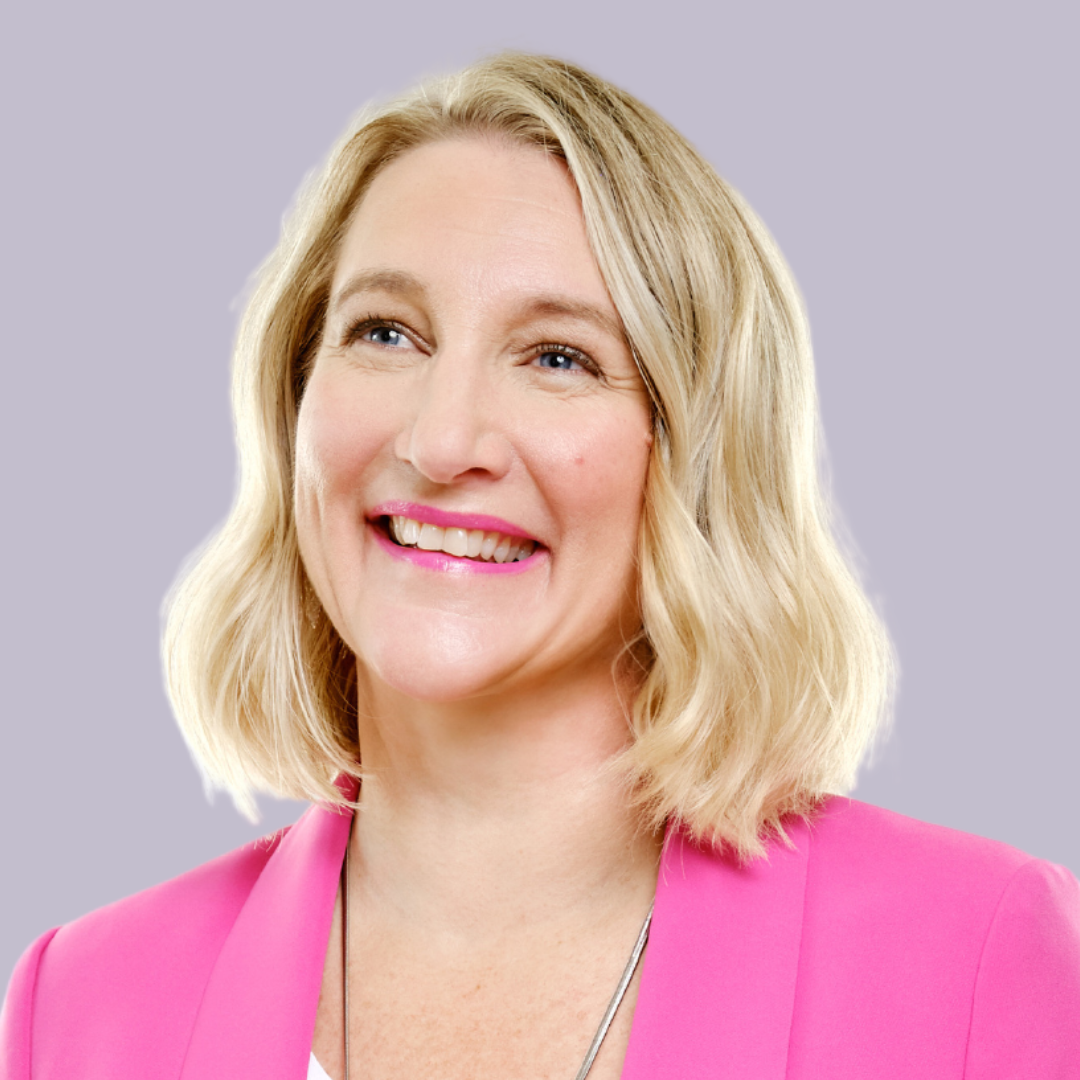
Dr. Samir Sinha has spent two decades advising federal and provincial governments on how to keep seniors out of long-term care facilities. Now he's taking a title at HomeEquity Bank, the institution that controls roughly 95% of Canada's reverse mortgage market. The appointment isn't window dressing. It's a signal that the financing model for aging in this country has quietly changed underneath us.
The math is straightforward. Ninety-one percent of Canadian seniors report they want to remain in their own homes. The long-term care system has nowhere near the capacity to absorb the boomer cohort now entering their eighties. Provincial budgets cannot close that gap. So the question becomes: who pays for the home modifications, the private nursing hours, the mobility equipment, and the grab bars that allow an 82-year-old with limited mobility to stay in a split-level house in Etobicoke?
The answer, increasingly, is the house itself.
The product is no longer a loan
HomeEquity Bank's flagship CHIP Reverse Mortgage has historically been positioned as a financial product for retirees who need liquidity but want to avoid selling. Borrow against your home equity, make no payments, let the interest compound, settle the balance when you sell or die. It works. It's also expensive. Interest rates on reverse mortgages typically run 200 to 300 basis points higher than a conventional home equity line of credit.
But framing the product as a loan misses what it's actually being used for in 2026. Reverse mortgage debt in Canada exceeded $7 billion late last year, even as prime rates sat above 6%. People are not tapping equity because they want a vacation or a new car. They are tapping it because a bathroom renovation with a walk-in shower and reinforced grab bars costs $18,000, and the alternative to that renovation is a fall, a hip fracture, and a one-way ticket into the LTC lottery.
Sinha's role is to make that tradeoff explicit. The bank is no longer selling retirement income. It is selling a health outcome.
Why a medical advisor matters
Hiring a geriatrician gives HomeEquity Bank the credibility to argue that accessing equity early, before a health crisis, is not financial recklessness but preventative planning. Sinha has spent his career studying the conditions under which seniors can safely age in place. He knows which home modifications reduce fall risk, which don't, and at what point the physical environment becomes more dangerous than a controlled care setting.
That expertise lets the bank position the reverse mortgage as something closer to health insurance than debt. The argument is no longer "you need money and your house has value." The argument is "your house is keeping you alive, and using some of its value now to modify it for safety is cheaper than the alternative you're headed for."
It also helps the bank navigate the ethics. Critics have long argued that reverse mortgages prey on seniors who don't understand compound interest. Adding a medical voice allows HomeEquity to say: we're not selling to confusion, we're solving for the gap between what public health policy promises and what it can actually deliver.
The care economy runs on equity now
Sinha's appointment reflects a broader reality. Private home care in Ontario now costs between $25 and $50 per hour depending on the level of medical supervision required. A senior who needs help bathing, dressing, and meal prep is looking at $40,000 to $70,000 annually if family cannot provide it. Most middle-income retirees do not have liquid savings at that scale. They have home equity.
The house has become the piggy bank for a care system that was never designed to handle this many very old people living this long. And unlike a traditional HELOC, which requires income verification and monthly payments, the reverse mortgage is structured for exactly this scenario: no income, no monthly outflow, and the ability to draw funds over time as health needs escalate.
The tension, of course, is that home equity is finite. Compound interest at 7% can halve the net value of an estate in a decade. If the senior outlives the equity, the safety net they purchased evaporates.
Sinha's job is to help HomeEquity Bank answer that in advance. Not by pretending the risk doesn't exist, but by arguing that planned depletion of equity to fund verified health needs is better than unplanned depletion through neglect, injury, and emergency spending. The framing is clinical. The stakes are not.



Dr. Samir Sinha has spent two decades advising federal and provincial governments on how to keep seniors out of long-term care facilities. Now he's taking a title at HomeEquity Bank, the institution that controls roughly 95% of Canada's reverse mortgage market. The appointment isn't window dressing. It's a signal that the financing model for aging in this country has quietly changed underneath us.
The math is straightforward. Ninety-one percent of Canadian seniors report they want to remain in their own homes. The long-term care system has nowhere near the capacity to absorb the boomer cohort now entering their eighties. Provincial budgets cannot close that gap. So the question becomes: who pays for the home modifications, the private nursing hours, the mobility equipment, and the grab bars that allow an 82-year-old with limited mobility to stay in a split-level house in Etobicoke?
The answer, increasingly, is the house itself.
The product is no longer a loan
HomeEquity Bank's flagship CHIP Reverse Mortgage has historically been positioned as a financial product for retirees who need liquidity but want to avoid selling. Borrow against your home equity, make no payments, let the interest compound, settle the balance when you sell or die. It works. It's also expensive. Interest rates on reverse mortgages typically run 200 to 300 basis points higher than a conventional home equity line of credit.
But framing the product as a loan misses what it's actually being used for in 2026. Reverse mortgage debt in Canada exceeded $7 billion late last year, even as prime rates sat above 6%. People are not tapping equity because they want a vacation or a new car. They are tapping it because a bathroom renovation with a walk-in shower and reinforced grab bars costs $18,000, and the alternative to that renovation is a fall, a hip fracture, and a one-way ticket into the LTC lottery.
Sinha's role is to make that tradeoff explicit. The bank is no longer selling retirement income. It is selling a health outcome.
Why a medical advisor matters
Hiring a geriatrician gives HomeEquity Bank the credibility to argue that accessing equity early, before a health crisis, is not financial recklessness but preventative planning. Sinha has spent his career studying the conditions under which seniors can safely age in place. He knows which home modifications reduce fall risk, which don't, and at what point the physical environment becomes more dangerous than a controlled care setting.
That expertise lets the bank position the reverse mortgage as something closer to health insurance than debt. The argument is no longer "you need money and your house has value." The argument is "your house is keeping you alive, and using some of its value now to modify it for safety is cheaper than the alternative you're headed for."
It also helps the bank navigate the ethics. Critics have long argued that reverse mortgages prey on seniors who don't understand compound interest. Adding a medical voice allows HomeEquity to say: we're not selling to confusion, we're solving for the gap between what public health policy promises and what it can actually deliver.
The care economy runs on equity now
Sinha's appointment reflects a broader reality. Private home care in Ontario now costs between $25 and $50 per hour depending on the level of medical supervision required. A senior who needs help bathing, dressing, and meal prep is looking at $40,000 to $70,000 annually if family cannot provide it. Most middle-income retirees do not have liquid savings at that scale. They have home equity.
The house has become the piggy bank for a care system that was never designed to handle this many very old people living this long. And unlike a traditional HELOC, which requires income verification and monthly payments, the reverse mortgage is structured for exactly this scenario: no income, no monthly outflow, and the ability to draw funds over time as health needs escalate.
The tension, of course, is that home equity is finite. Compound interest at 7% can halve the net value of an estate in a decade. If the senior outlives the equity, the safety net they purchased evaporates.
Sinha's job is to help HomeEquity Bank answer that in advance. Not by pretending the risk doesn't exist, but by arguing that planned depletion of equity to fund verified health needs is better than unplanned depletion through neglect, injury, and emergency spending. The framing is clinical. The stakes are not.
Read Next
Realtors Are Walking Away, And the Prenup Surge Tells You Why
Realtors Are Leaving the Industry, and the Numbers Tell You Why
Kelowna Now Ranks First in Canada for Wildfire Risk: What Condo Buyers Need to Verify Before Closing
Kelowna Ranks First for Wildfire Risk in Canada: What Condo Buyers Need to Understand Before Closing